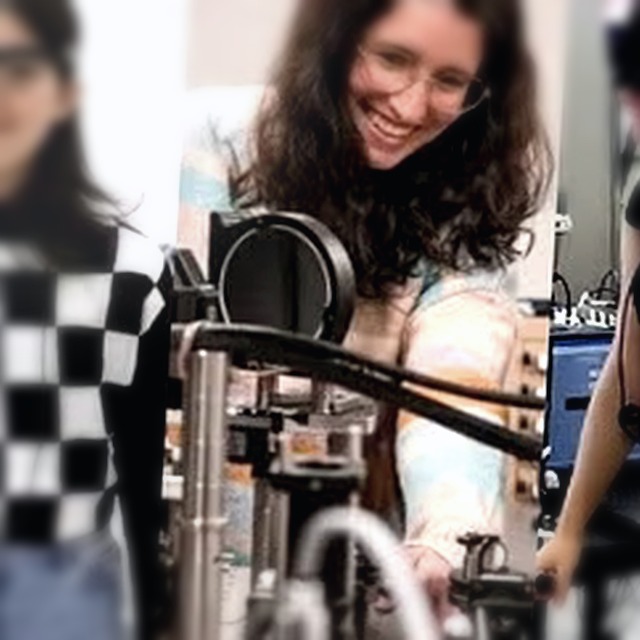
Modern breakthroughs in ocular diagnostics, smart contact lens biomaterials, and national eye health surveillance rarely emerge from a single academic silo. Recognizing that the next frontier of eye care demands deep cross-faculty synthesis, the University of Waterloo’s School of Optometry and Vision Science has officially launched the Waterloo Eye Institute Vision Science Consortium (WEI VSC).
Architecting a Campus-Wide Hub for Ocular Discovery
Directed by renowned vision scientist Dr. Austin Roorda, Professor at the School of Optometry and Vision Science, the WEI VSC was conceived to formalize and expand the multidisciplinary collaborations that have long thrived across Waterloo’s faculties. From adaptive optics retinal imaging and non-contact corneal aesthesiometry in Dr. Paul Murphy’s laboratory to cellular tear-film mechanics, human vision sits at the intersection of physics, neurobiology, systems engineering, and epidemiology.
By uniting investigators who may not traditionally label themselves as vision researchers—such as chemical engineers, AI computer scientists, and developmental kinesiologists—the consortium accelerates the translation of benchtop engineering into chairside clinical tools for Canadian optometrists.
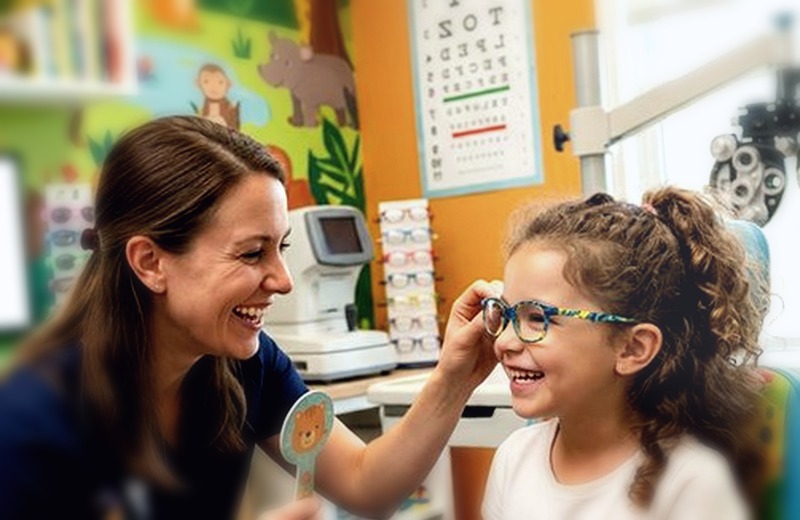
Cross-disciplinary discovery: the newly established Waterloo Eye Institute Vision Science Consortium (WEI VSC) connects optometric clinicians with systems engineers, kinesiologists, and public health data scientists.
Flagship Collaborations Powering the Consortium
The WEI VSC builds upon a proven foundation of interdisciplinary partnerships already reshaping clinical optometry across Canada:
- Biomaterials & Tear-Film Engineering: More than two decades of joint investigation between Dr. Lyndon Jones (Optometry) and Dr. Maud Gorbet (Systems Design Engineering), advancing biocompatible contact lens polymers and ocular surface drug delivery.
- Visuomotor Control & Pediatric Strabismus: Collaborative research by Dr. Krista Kelly and Dr. Ewa Niechwiej-Szwedo (Kinesiology and Health Sciences) mapping hand-eye coordination deficits and binocular rehabilitation in children with strabismus.
- National Eye Health Data Infrastructure: The development of Can-View by Dr. Stanley Woo and Dr. Helen Chen (School of Public Health), establishing a federated Canadian ocular health data repository.
“Understanding, protecting, and restoring human sight requires the combined ingenuity of optical physicists, biomaterials engineers, kinesiologists, and public health strategists working under one collaborative roof.”
Strengthening Canada’s Global Leadership in Vision Research
Anchored by the physical expansion of the Waterloo Eye Institute, the Vision Science Consortium provides shared instrumentation, seed funding pathways, and cross-departmental graduate supervision. For practicing Doctors of Optometry across Canada, the initiative ensures that domestic clinical challenges—from Indigenous and rural tele-optometry models to advanced dry eye diagnostics—remain at the top of the national academic research agenda.
As the WEI VSC scales its cross-campus network, Waterloo cements its status as one of the world’s premier engines of translational optometric science.
Key Takeaways
- The University of Waterloo’s School of Optometry and Vision Science has launched the Waterloo Eye Institute Vision Science Consortium (WEI VSC) under Dr. Austin Roorda.
- The consortium unites optometry faculty with researchers in Systems Design Engineering, Kinesiology, and Public Health.
- Flagship projects span smart ocular biomaterials, pediatric strabismus motor control, and the Can-View national eye health data platform.