If you ask ten independent optometrists what separates their practice from the large corporate chain down the street, nine of them will say: “We offer better, friendlier service.” In 2026, the harsh reality is that “friendly service” is a baseline expectation, not a competitive moat. To survive an increasingly consolidated market, you must elevate your practice from a clinic into an unshakeable brand.
The Era of Radical Consistency
A brand is not a logo, a color palette, or a clever tagline. A brand is the sum total of every micro-interaction a patient has with your business. When there is a disconnect between your digital presence and your physical reality, brand trust shatters. If your Instagram portrays a sleek, high-end optical boutique, but your physical waiting room features fluorescent lighting, frayed magazines, and plastic chairs, the patient’s trust evaporates before they even sit in the exam chair.
Building an unshakeable brand requires radical consistency across three domains: Digital, Physical, and Experiential.
“When the environment feels cheap, a $500 progressive lens feels like an extortion. When the environment feels magnificent, a $500 lens feels like an investment.”
Physical Identity: The Architecture of Trust
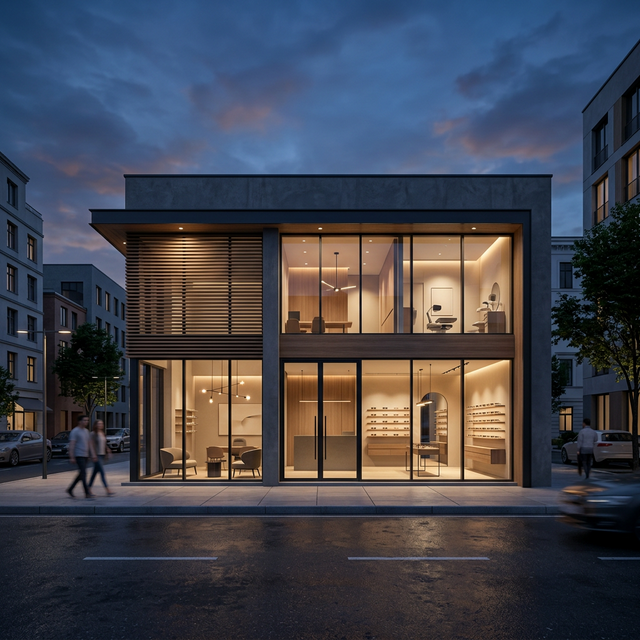
In retail psychology, the physical environment dictates the perceived value of the product being sold. Many practices still treat their dispensaries like medical waiting rooms. In 2026, the most successful independent practices take their design cues from luxury hospitality and high-end fashion.
- Lighting Design: Eliminate clinical blue/white fluorescent tubes in the dispensary. Use warm, directional LED lighting (3000K-3500K) to highlight frame textures and flatter patients when they look in the mirror.
- Sensory Cues: Retailers know that smell and sound deeply impact buying behavior. Invest in a subtle, signature clinic scent via an HVAC diffuser (e.g., white tea or cedar) and curate a sophisticated, low-volume lo-fi or jazz playlist.
- Curation over Clutter: You do not need 1,500 frames crammed onto acrylic pegs. “Frame fatigue” causes decision paralysis. Curate 500 beautiful, independent frames, presented with ample negative space.
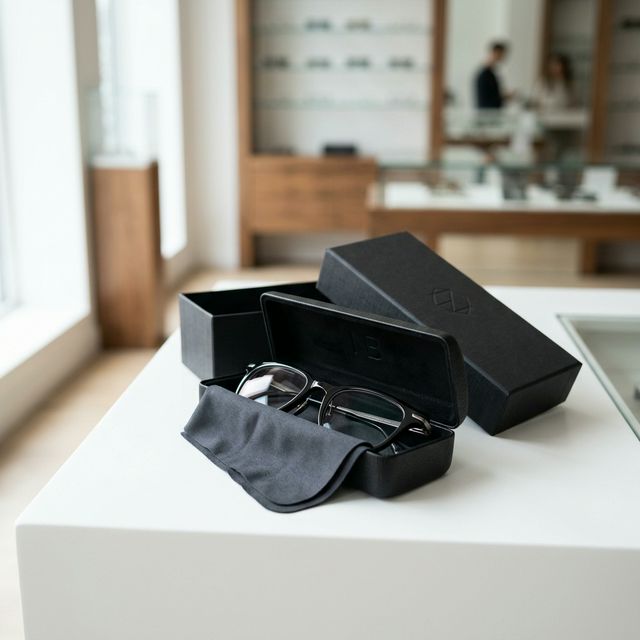
The patient takes the branding home with them. A luxury unboxing experience solidifies the perceived value of the investment.
The Unboxing Experience
Your brand’s relationship with the patient does not end when they swipe their credit card; it culminates during the dispense. How are you returning the patient’s new glasses to them? If you drop a basic frame case into a thin, branded plastic bag, you are actively degrading your brand equity.
The “Unboxing Experience” is a massive driver of organic social media marketing. The patient should receive a heavy-stock paper tote bag. Inside: a rigid, matte-finish case, an oversized premium microfiber cloth bearing your logo, a small bottle of branded lens cleaner, and a handwritten note from their optician. When the presentation is flawless, the patient feels immense validation in their purchase.
Defending the Moat
Corporate conglomerates can outspend you on Google Ads, and online retailers can undercut you on price. However, they cannot replicate the intimate, hyper-curated, multi-sensory branding of a heavily invested independent practice. Stop trying to compete on price, and start competing on identity.
Key Takeaways
- “Friendly service” is not a brand differentiator; radical consistency is.
- Audit your physical space: replace clinical lighting with warm retail lighting and curate your frame boards to reduce clutter.
- Invest heavily in your packaging. The “unboxing experience” is your highest ROI retaining tool.
- Ensure your digital footprint completely matches your physical aesthetic.
Frequently Asked Questions
Why is interior design so important for optical sales?
Interior design establishes the baseline perceived value of everything within the store. In a premium, well-designed environment, patients unconsciously expect to pay premium prices, severely reducing price resistance during the optical handoff.
How can I differentiate my clinic from large corporate chains?
Corporate chains execute standardized, mass-market protocols. You can differentiate by curating exclusive independent eyewear lines that chains cannot access, and by offering highly personalized, boutique-level hospitality (like offering espresso upon arrival).
What makes a modern optical brand successful?
A successful modern brand solves a specific problem for a specific demographic. Rather than trying to be “everything to everyone,” the best brands carve a niche—whether that is ultra-luxury independent frames, advanced dry eye aesthetics, or cutting-edge pediatric myopia control.