For decades, referring a patient for “Low Vision” felt like a clinical concession—a polite way of admitting that refraction had failed and the retina was irreversibly damaged. The tools of the trade were clunky, stigmatizing, and difficult to use. In 2026, as the Canadian “Baby Boomer” generation navigates advanced age, the narrative has fundamentally changed. Low vision is no longer about defeat; it is a high-tech pursuit of human autonomy.
The Demographic Imperative
Age-Related Macular Degeneration (AMD), Diabetic Retinopathy, and advanced Glaucoma are creating a massive demographic of patients who are technically legally blind, yet still fiercely independent. They want to read their bank statements, cook their own recipes, and see the faces of their grandchildren.
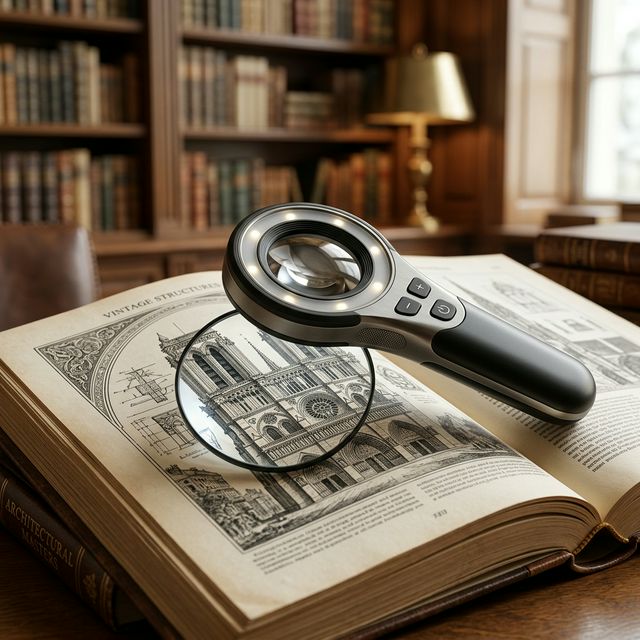
Optical handheld magnifiers, while still useful, are limited by physics. The higher the magnification, the smaller the field of view and the shorter the working distance. To provide true functional independence in 2026, modern optometry clinics are turning to electronics.
The Electronic Revolution
The modern low vision exam relies heavily on assessing contrast sensitivity—often the first visual function to collapse in AMD. Electronic Video Magnifiers (CCTVs) solve the limits of optical physics by utilizing high-definition cameras and digital screens.
- Extreme Magnification: Digital devices can magnify text up to 80x without distorting the edges of the lens.
- Contrast Manipulation: Patients with severe cataracts or AMD can invert colors (e.g., white text on a black background) to drastically reduce glare and improve reading comfort.
- Optical Character Recognition (OCR): Many modern devices feature AI text-to-speech. A patient simply takes a picture of a dense newspaper article, and the machine reads it aloud to them in a natural-sounding voice.
“We are not just selling a device with a camera on it; we are selling the ability for a grandmother to read a bedtime story to her grandchild again.”
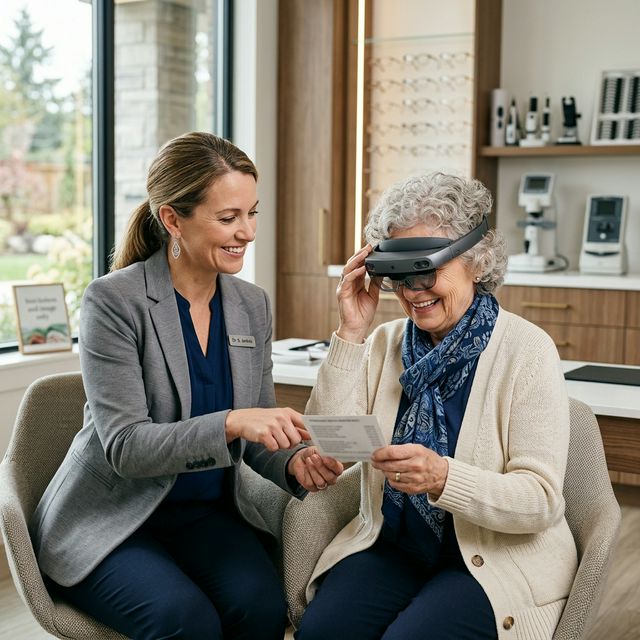
Patience and empathy are the core tenets of a low vision exam. The device is only as effective as the rehabilitation and training you provide the patient in the chair.
Wearable Technology and AI
The most lucrative and life-changing segment of modern low vision care is wearable technology. Resembling sleek virtual reality headsets or slightly thicker conventional glasses, devices from companies like eSight and IrisVision utilize high-speed cameras to project a live video feed onto screens directly in front of the patient’s eyes.
Because the screens are fractions of an inch from the cornea, the image is projected onto the healthy peripheral retina, effectively bypassing the central scotoma caused by macular degeneration. The emotional impact of a patient putting on a wearable device and instantly recognizing their spouse’s face from across the room is the pinnacle of clinical optometry.
Integrating Low Vision into Primary Care
You do not need to convert your entire practice into a low vision center to capitalize on this demographic. The 2026 approach is to establish a “Low Vision Demo Corner.”
Reserve a quiet, well-lit nook in your clinic. Stock it with two electronic desktop magnifiers, three portable digital magnifiers, and one wearable headset demo unit. When a patient with 20/70 best-corrected acuity struggles to read the near card, you seamlessly transition them out of the exam lane and into the demo area. By treating the devices as high-end technology rather than medical crutches, you remove the stigma, restore dignity, and capture a highly profitable private-pay revenue stream.
Key Takeaways
- Electronic magnifiers bypass the physical limitations of traditional optical glass.
- Contrast manipulation (white text on a black background) is vital for AMD patients.
- Wearable AI devices project images to the healthy peripheral retina, restoring central awareness.
- Frame low vision discussions around “autonomy and technology” rather than “disability and aids.”
Frequently Asked Questions
How does a low vision exam differ from a regular eye exam?
A standard subjective refraction aims to reach 20/20 using the phoropter. A low vision exam uses trial frames, specialized charts (like ETDRS or Feinbloom), and focuses entirely on functional goals: what specific task does the patient want to accomplish, and what magnification formula will get them there?
Are electronic magnifiers covered by provincial health insurance in Canada?
Provincial coverage varies wildly. Some provinces (like Ontario via the ADP program) provide partial funding for authorized low vision aids if the patient meets specific legal blindness criteria. However, most modern electronic devices are private-pay investments made by the patient or their family.
What is eccentric viewing training?
It is a rehabilitation technique taught by low vision specialists. Patients with central vision loss (scotomas) are taught to look slightly away from the object they want to see, utilizing a healthy patch of peripheral retina (their “Preferred Retinal Locus”) to process the image.