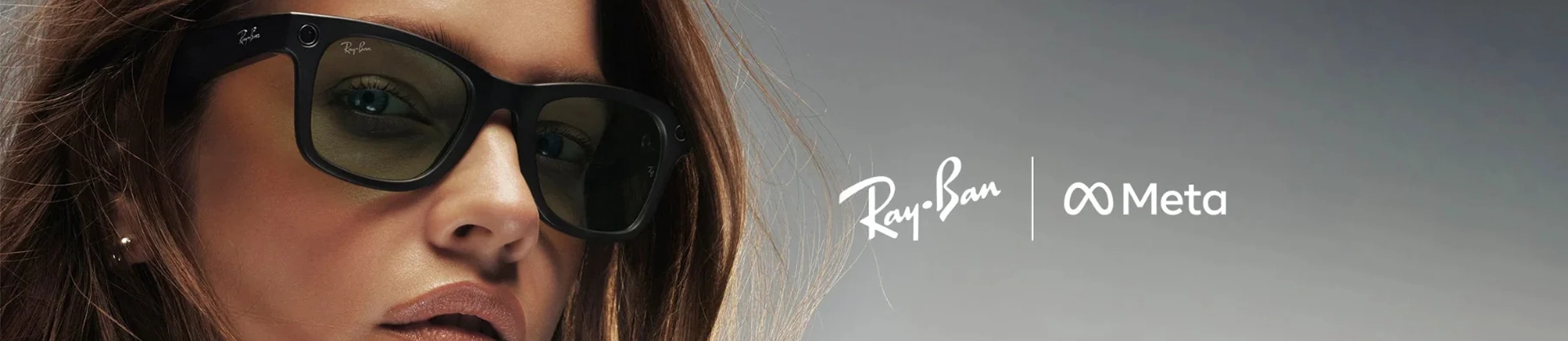
As consumer smart glasses from major optical conglomerates become visually indistinguishable from classic acetate wayfarers and performance sunwear, their proliferation is colliding headfirst with national security and institutional privacy mandates. The Department of National Defence (DND) and the Canadian Armed Forces (CAF) have issued a sweeping update to federal military vision care policy—officially excluding AI-enabled smart glasses from the $600 CAF eyewear benefit and enforcing an absolute prohibition on wearing them inside operational and high-security zones.
Why Indistinguishable Camera-Equipped Frames Trigger Operational Risk
Unlike first-generation head-mounted displays that featured obvious prism projectors and bulky temple modules, contemporary AI eyewear—such as Ray-Ban Meta and Oakley Meta collections—conceals ultra-wide cameras, multi-microphone beamforming arrays, open-ear speakers, and Wi-Fi/Bluetooth transceivers inside standard prescription-ready frames.
For defence intelligence officers and facility security directors, the presence of always-ready optical and acoustic sensors inside classified briefings, maintenance hangars, or command centres represents an unacceptable Counter-Intelligence and privacy exposure. Crucially, the new DND/CAF directive stipulates that connected eyewear is barred from Secure areas even if powered down or placed in ‘airplane mode,’ since visual inspection cannot verify whether firmware or recording buffers are truly inactive.
- Zero-Tolerance Secure Zone Ban: AI and camera-equipped smart glasses are strictly prohibited in all CAF Operations, Security, and High Security Zones regardless of power state.
- Exclusion from $600 Vision Entitlement: Military personnel can no longer apply their $600 federal vision care reimbursement toward frames housing cameras, microphones, or wireless transmitters.
- Personnel Privacy Enforcement: Unauthorized audio or video capture of defence personnel or installations carries formal disciplinary consequences.
- September 15, 2026 Transition Window: Members who purchased prescription AI frames in good faith prior to the directive and work in restricted zones can apply for a replacement pair of conventional spectacles.
“When prescription eyewear doubles as a networked audiovisual sensor, optical dispensing intersects directly with national security compliance and institutional privacy governance.”

Because contemporary AI eyewear embeds high-resolution cameras and microphone arrays inside indistinguishable classic frame silhouettes, defence and enterprise facilities are enacting strict optical hardware protocols.
Crucial Dispensing Guidance for Clinics Serving Military Communities
For independent optometry clinics and optical dispensaries located near major Canadian Armed Forces bases—including Ottawa, Halifax, Esquimalt, Edmonton, Valcartier, Petawawa, Kingston, and Winnipeg—this policy shift demands immediate front-desk and dispensary awareness. Previously, service members routinely ordered prescription lenses mounted into smart frames and submitted the consolidated invoice under their standard periodic eyewear entitlement.
To protect patients from unexpected out-of-pocket denials, DND has instituted a good-faith transitional accommodation: CAF members who acquired prescription AI glasses before the policy revision and whose duties require entry into restricted zones may submit their original invoice to their local CF Health Services Centre by September 15, 2026, for a case-by-case review to authorize conventional replacement eyewear.
A Bellwether for Corporate, Healthcare, and Judicial Dress Codes
Industry analysts view the Canadian Armed Forces directive as an early template for broader institutional regulation across Canada. Hospitals subject to strict provincial health-information privacy statutes (such as PHIPA), financial trading floors, research laboratories, and federal courtrooms face parallel challenges verifying whether a visitor’s prescription spectacles are passively correcting ametropia or actively streaming audio and video to cloud servers.
Consequently, Canadian opticians and optometrists should incorporate occupational environment screening into every smart eyewear consultation—counseling patients who work in defence, healthcare, or secure enterprise settings to maintain a dedicated pair of non-connected prescription spectacles for workplace compliance.
Key Takeaways
- Benefit Exclusion: CAF members may no longer use their $600 vision care entitlement to purchase AI smart glasses equipped with cameras or microphones.
- Total Secure-Zone Prohibition: Connected eyewear is banned inside all DND/CAF Operations, Security, and High Security zones even when switched off.
- Good-Faith Replacement Deadline: Affected personnel who bought AI glasses prior to the rule change have until September 15, 2026, to apply for conventional replacement spectacles.